
Block paving costs vary significantly based on materials, site conditions, and design complexity. Understanding these factors helps you budget accurately and avoid unexpected expenses.
Material Costs
Clay pavers cost more than concrete blocks but offer superior longevity. Expect clay to cost 40% to 60% more than standard concrete options.
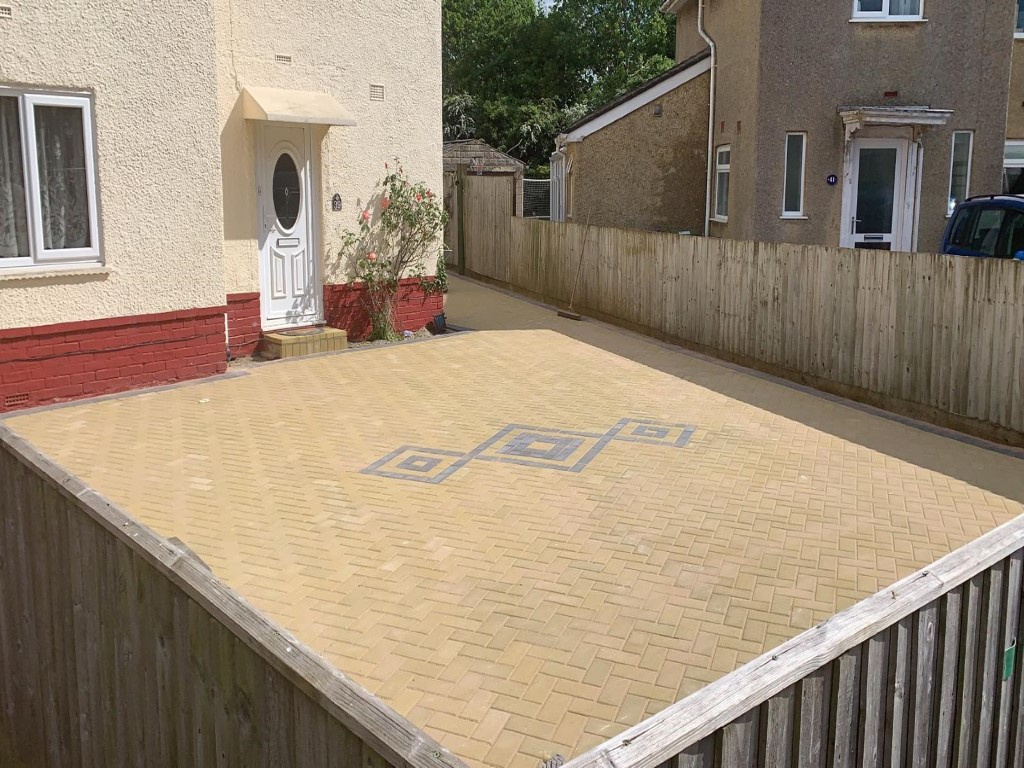
Specialist finishes like tumbled or aged surfaces add 20% to 30% to material costs. Reclaimed blocks can match new clay prices but offer unique character. Professional installation specialists typically charge a premium for handling these premium materials.
Size and Access Impact
Smaller areas cost more per square metre due to fixed setup costs. Areas under 50 square metres typically see higher rates.
Poor site access increases labour time and equipment costs. Narrow passages or rear gardens without vehicle access add significant expense.
Ground Conditions and Preparation
Soft or clay soils require deeper excavation and more sub-base material. This can double preparation costs compared to firm ground.
Removing existing surfaces adds to project costs:
- Concrete breaking and removal
- Tarmac uplift and disposal
- Tree root removal
- Drainage modifications
Pattern and Edge Complexity
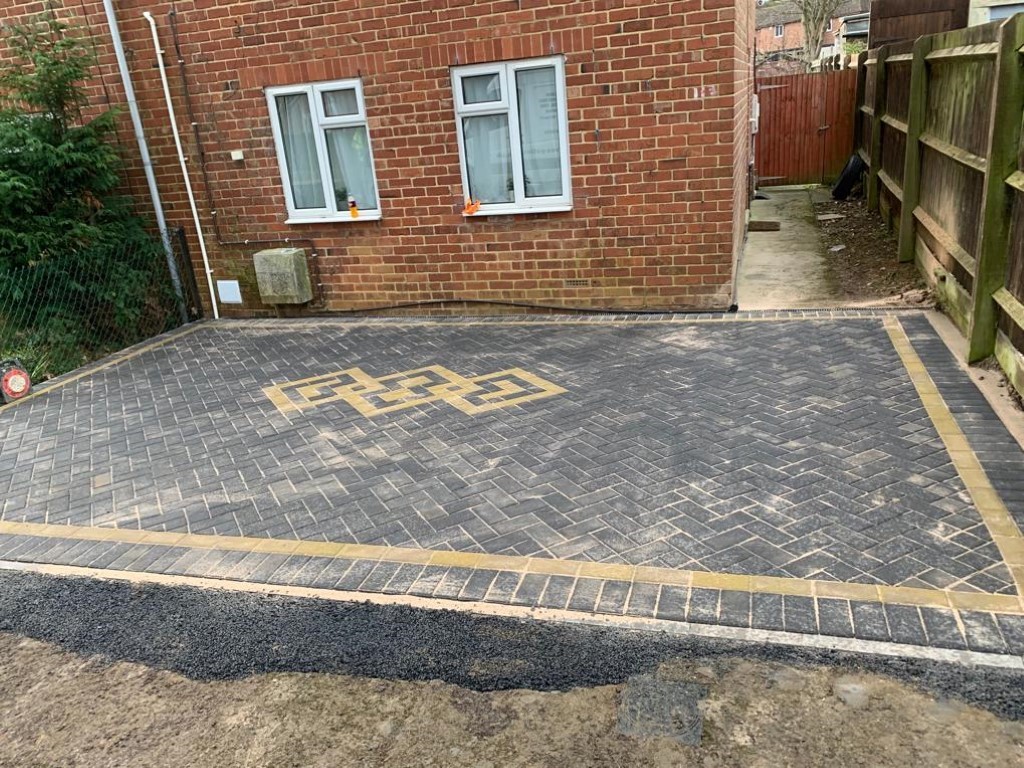
Simple stretcher bond patterns cost less to lay than herringbone or circular designs. Complex patterns increase labour time by 15% to 25%.
Curved edges and intricate borders require more cutting and skill. Budget extra for detailed edging work around irregular shapes.
Why Quality Investment Matters
Proper sub-base preparation prevents future settlement and cracking. Cutting corners on foundations leads to expensive repairs within five years.
Quality materials and workmanship maintain appearance longer, though regular maintenance like re-sanding will be needed. Well-installed block paving adds property value and reduces maintenance costs.